About C-SEP

A more meaningful approach to educational evaluation.

Purposeful assessment. Integrated evidence. Professional judgment.

What is C-SEP?

The Core-Selective Evaluation Process (C-SEP) is a comprehensive framework for conducting meaningful, student-centered educational evaluations introduced in 2015. Rather than relying on a one-size-fits-all approach, C-SEP guides multidisciplinary teams through a systematic process of gathering relevant learning data, developing evidence-based hypotheses, selecting assessments with purpose, and integrating multiple sources of information to answer the referral questions and make legally defensible eligibility decisions.

Built upon the principles of professional judgment, collaboration, and data-driven decision making, C-SEP recognizes that every student is unique and that every evaluation should be tailored to the individual student's educational needs. By emphasizing the strategic collection and interpretation of meaningful data, C-SEP helps evaluators move beyond simply administering tests to conducting thoughtful investigations that identify a student's strengths, needs, and the factors influencing educational performance.

Whether evaluating for a specific disability, planning interventions, or supporting educational decision making, C-SEP provides a clear, practical framework that empowers professionals to conduct evaluations that are comprehensive, compliant, and focused on improving outcomes for students.

Relevant learning dataEvidence-based hypothesesPurposeful assessmentMultiple sources of informationProfessional judgmentStudent-centered decisions

Origins

Where C-SEP came from.

2015

C-SEP introduced.

C-SEP was developed in the context of specific learning disability identification and patterns of strengths and weaknesses. It has continued to evolve through research, professional practice, training with evaluation teams, and ongoing changes in assessment.

The C-SEP process

  1. 01

    Review

    Collect, organize, and analyze existing sources of student data.

  2. 02

    Plan

    Use existing evidence to develop focused referral questions, hypotheses, and an assessment plan.

  3. 03

    Assess

    Purposefully gather the additional information required to test the hypotheses and answer referral questions.

  4. 04

    Decide

    Integrate and triangulate the available evidence and use professional judgment to make informed, defensible decisions.

The goal is not more testing.
The goal is better information.

  • Start with what is already known.
  • Assess what still needs to be understood.
  • Connect the evidence before making the decision.

The Authors

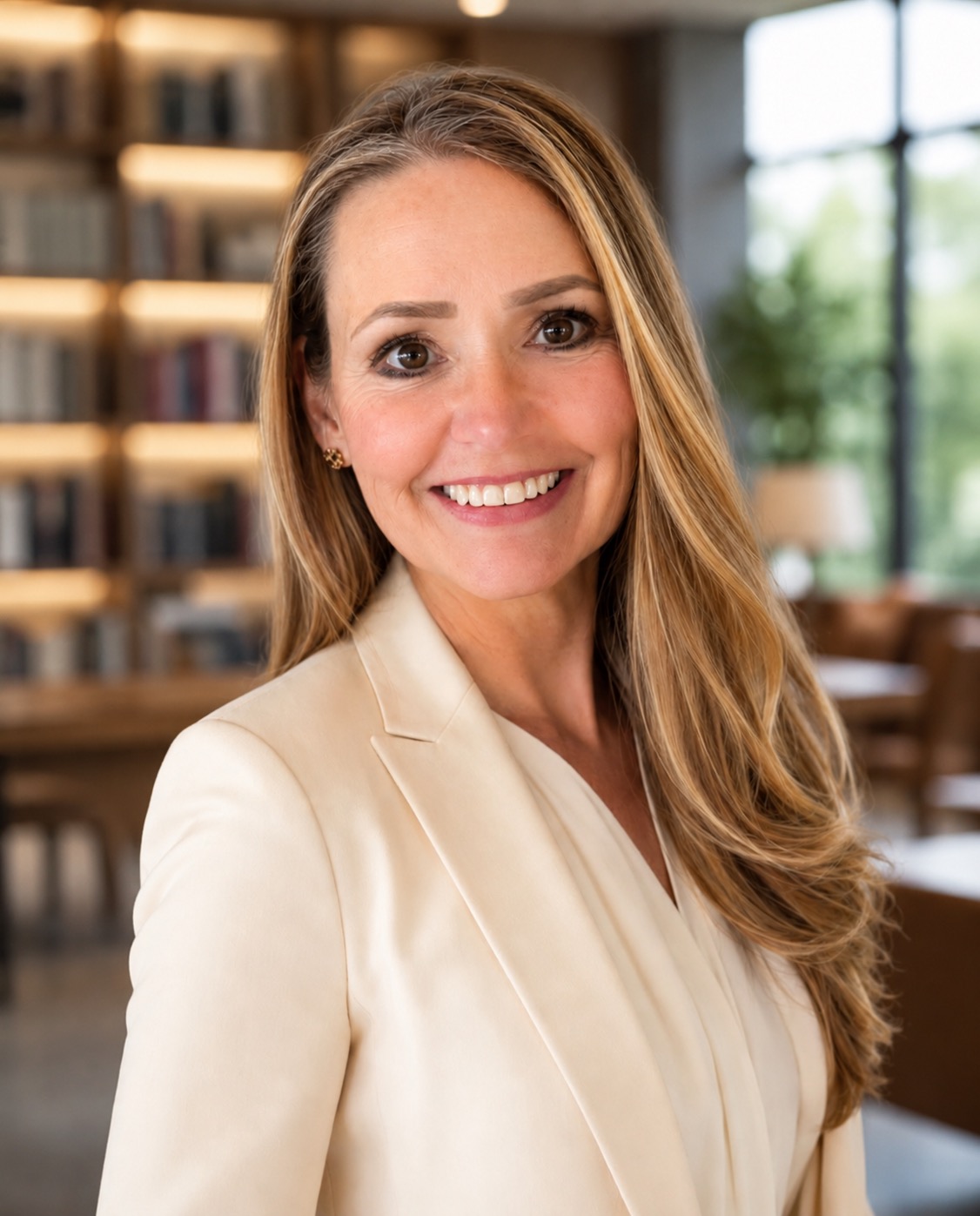
Portrait of Tammy L. Stephens, Ph.D.

Tammy L. Stephens, Ph.D.

Co-Author of C-SEP

Tammy L. Stephens, Ph.D. has over 20 years of experience working in the field of special education as a Special Education Teacher, Educational Diagnostician, University Professor and Clinical Assessment Consultant. Dr. Stephens is currently the Chief Product Officer for Bosco K12, a platform that streamlines the data collection and analysis process. Dr. Stephens is a co-author of the Core-Selective Evaluation Process (C-SEP) and has published numerous peer-reviewed articles focusing on best practice in assessment. Additionally, she has presented locally, state-wide, nationally and internationally on topics regarding assessment. Her areas of expertise include the identification of specific learning disabilities, report writing, exclusionary factors, and instructional programming.

Specific Learning DisabilitiesAssessmentReport WritingExclusionary FactorsInstructional Programming
Portrait of Edward K. Schultz, Ph.D.

Edward K. Schultz, Ph.D.

Co-Author of C-SEP

Edward K. Schultz, Ph.D. began his career working with children with significant mental health needs before becoming a special education teacher and Educational Diagnostician. He earned both his undergraduate and master's degrees from Midwestern State University in Wichita Falls, Texas, and completed his PhD at the University of North Texas in Denton, Texas. He is currently a Full Professor in the West College of Education at Midwestern State University and has spent more than two decades preparing educational diagnosticians to assess students with disabilities. Dr. Schultz is the co-author of the Core-Selective Evaluation Process (C-SEP) and has published numerous peer-reviewed articles, presented at national and international conferences, and provided training to schools and state departments of education across the country. His areas of expertise include the identification of specific learning disabilities, multi-tiered systems of support, and emotional and behavioral disorders.

Specific Learning DisabilitiesMTSSAssessmentEmotional & Behavioral DisordersEducational Diagnostics